


In April 2026, we mark the retirement of Warren Sowerby, a distinguished mediator, respected leader, and quiet architect of modern mediation practice in Aotearoa New Zealand.
Across more than three decades, Warren has been involved in over 3,000 mediations, often involving multiple lawyers, experts, and parties, many of them complex, high-stakes, and deeply consequential. Through this work, and through his teaching, mentoring, and advocacy, he has helped embed mediation as a trusted and integral part of New Zealand’s legal landscape, fundamentally influencing how disputes are approached, understood, and resolved.
Warren’s journey into mediation began with a simple observation by a senior colleague: that he had a rare ability to listen, to facilitate, and to help people find their way through complexity. That observation led him, in the early 1990s, to Colorado, where he trained with global leaders in mediation at a time when the discipline was still largely unknown in New Zealand.
What followed was pioneering work. Warren became one of the country’s first legal commercial mediators, quickly earning the confidence of lawyers and parties alike. His practice gained momentum following resolution of a large international commercial dispute involving a significant number of commercial lawyers, a moment that signalled what mediation could achieve when handled with skill, insight, and integrity.
Warren’s mediations have spanned an extraordinary range of sectors, including Treaty issues, infrastructure projects, national and international shipping and aviation, construction, health, insurance, intellectual property, contract, defamation, national and international entertainment, sport and community disputes. They have involved parties from across New Zealand and around the world. Yet regardless of scale or subject matter, his approach remained constant.
Warren’s mediation style focused not just on the legal issues, but on what truly mattered to the people involved. He was never there to decide outcomes, but to help others reach their own. Calm, impartial, consistently good-humoured, and deeply respectful, he understood that durable resolution comes from understanding interests, not just positions, not only the terms of a contract, for example, but what each party was seeking to achieve when entering into an arrangement, and whether those aims remained important.
The success of this approach, reflected in the sheer number of appointments he was entrusted with, helped define Warren as a leading mediator, capable of facilitating the most complex and high-stakes disputes.
Along the way, Warren’s expertise was recognised nationally and internationally. He received numerous awards, was repeatedly ranked among New Zealand’s leading mediators, and invited to contribute to international conversations on dispute resolution including presenting to an Assistant Secretary General and in-house legal counsel of the United Nations, on facilitative approaches to international disputes.
In 2011, he received an award for the Most Creative Use of ADR. He was named Mediator of the Year at the 2013 New Zealand Law Awards, and in 2016 and beyond was ranked first among LawFuel’s Top 10 Mediators in New Zealand.
In 2016, Warren was admitted as a Fellow in Mediation of the Arbitrators’ and Mediators’ Institute of New Zealand (AMINZ), in recognition of his depth of experience in dispute resolution. In 2018, he was awarded Fellow Membership of the Resolution Institute.
Internationally, Who’s Who Legal recognised Warren’s commercial mediation practice in 2013. In 2016, he was appointed a certified mediator by endorsement of the Singapore International Mediation Centre and invited to join its International Panel of Mediators. In 2017, British Lawyer Monthly named Warren ADR Lawyer of the Year – New Zealand in its Global Awards.
In 2006, Warren was part of a group of esteemed lawyers who established Bankside Chambers under its current name and at its current location, relocating from 9 Princes Street. His practice was distinctive in that he operated both from Bankside Chambers and through his own dedicated mediation centre.
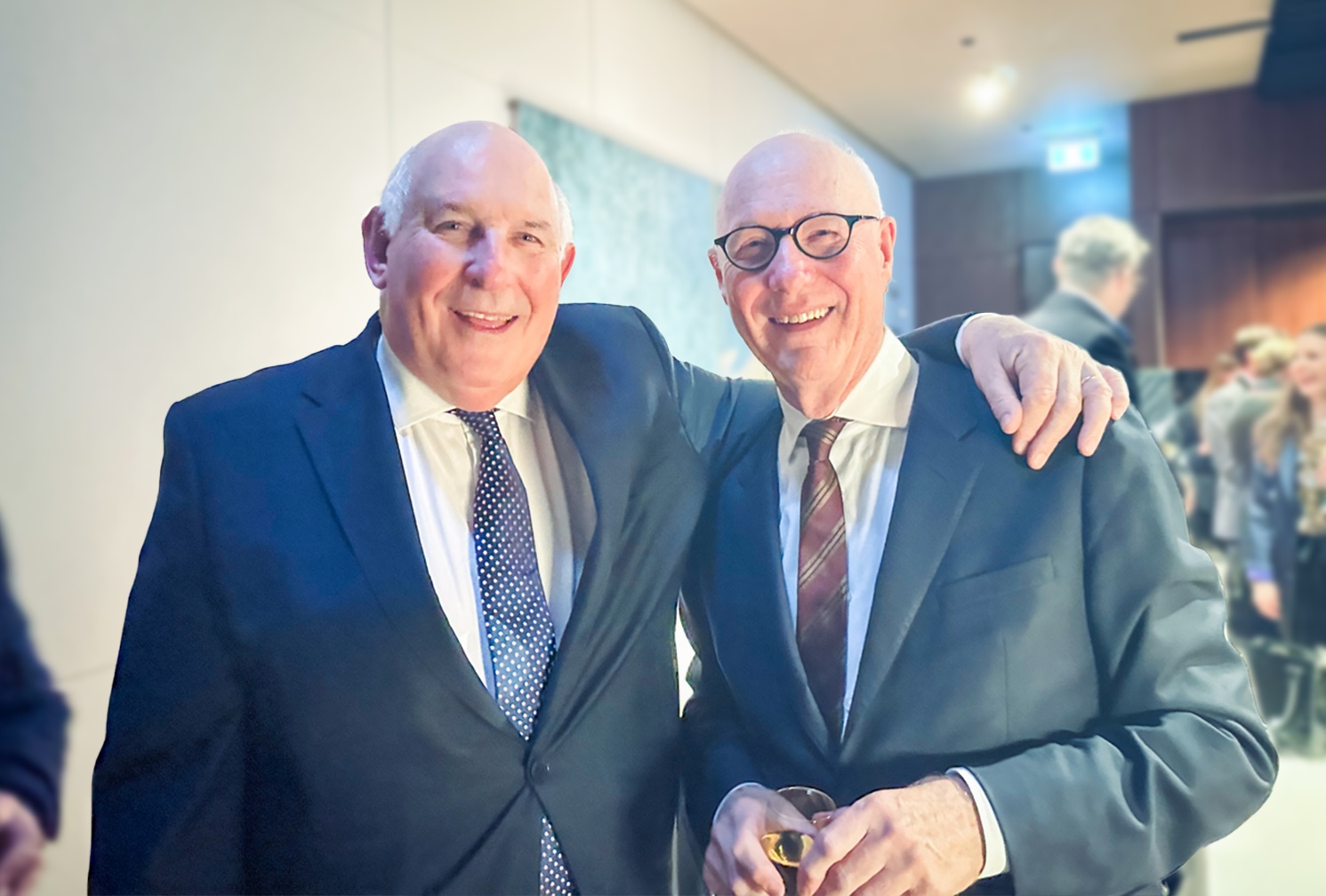
Throughout his career, Warren gave generously of his time providing guest lectures, speaking, writing, coaching, and training, and serving on the inaugural dispute resolution committee. Many mediators practising today do so with confidence or inspiration that may be traced back to his influence.
Reflecting on his career, Warren has said that mediation is intellectually and physically challenging, and largely invisible except to those who truly matter: the participants. He has spoken of being particularly humbled by the trust people vested in him, often at times of immense stress and uncertainty.
He has also expressed his deep appreciation for the lawyer representatives whose presence was essential to the process and for the advice they provided to their clients.
To those devoting their professional lives to mediation, Warren trusts they will experience the same level of support, pleasure, and satisfaction that he has enjoyed.
Today, we honour that trust, that contribution, and that legacy.
Warren, your work has changed how disputes are approached, understood and resolved in Aotearoa New Zealand. More importantly, it has changed how people experience conflict with dignity, respect, and the possibility of resolution.
For that, and for all you have given to the profession and to those you have served, we honour and thank you.
Comment